It's Time to Go Back to Nature
We are a team of scientists and maritime engineers revolutionizing global freight by tapping into the ocean's oldest trade routes: seasonal whale migrations. Rather than fighting the ocean with heavy bunker fuel, we attach ultra-buoyant container pods to migrating whales along existing coastal highways, using GPS-triggered offshore self-release so cargo floats to the surface near port cities for coastal recovery vessels to tow ashore, without the whale ever leaving its migration route.
Forget engines. Forget fuel emissions. The future of sustainable shipping is already swimming in our oceans.
Migratory Freight Corridors
Every year, thousands of whales migrate between major port regions along fixed oceanic highways, carrying zero cargo.
Blue, Fin, Humpback, Gray, and Right whales follow a clockwork thermal calendar: migrating poleward into cold waters each spring to feed, and returning to warm equatorial waters each autumn to breed. By pairing freight with this natural schedule (hauling Q4 holiday electronics, timber, and counter-seasonal harvests southbound ahead of winter, while carrying Arctic port restocks and passively seawater-chilled pharmaceuticals northbound in spring), Leviathyn turns ancient migration corridors into a scheduled global supply chain. When a whale passes the offshore perimeter of a destination port, a GPS trigger automatically releases its buoyant container pod to the surface, where a coastal feeder boat feeds the whale, tows the inbound payload ashore, and can guide the whale to a nearshore staging buoy to snap on outbound cargo.
Accelerated Migration: 62% Faster Transit & Year-Round Throughput
In the wild, a 2,000 to 4,000 nautical mile whale migration takes 45 to 75 days (averaging a meandering 3–5 knots) because fasting whales must conserve energy and detour off-corridor to hunt patchy prey. Leviathyn compresses that timeline by over 60%: because our coastal recovery boats feed the whales in-stride at every port handoff while our hydrodynamic laminar-flow pods and AI bio-acoustic pacing eliminate drag and foraging detours, whales sustain an uninterrupted 11–14 knot cruising speed (~300 nautical miles per day).
Coastal Express Transit
1,800–2,400 nm routes (Ningbo ↔ Sakhalin, Miami ↔ Halifax, LA ↔ Anchorage), down from 45+ days in the wild
Trans-Hemispheric Runs
3,500+ nm corridors (Dakar ↔ Tromsø, Santos ↔ Ushuaia), beating slow-steaming Panamax ships & port berth queues
Global Baleen Fleet Pool
Humpback (~135k), Fin (~100k), Gray (~27k), Blue (~25k) & Right (~18k) whales cycling 3–4 shuttle legs/year with provisioning
Phase-1 Annual Volume
Enlisting just 2% of the fleet (~6,000 whales) hauling 4–6 TEU per Blue/Fin and 2 TEU per Humpback/Gray across 3–4 annual legs
- 7–10 Day Express Schedule (JIT & Cold-Chain) | Fits consumer electronics replenishment, semiconductor components, passively chilled biologics/vaccines (maintained at 2°C–8°C by sub-Arctic seawater), and counter-seasonal fresh produce (berries, avocados, chilled seafood) without air-freight cost
- 14–18 Day Intercontinental Schedule (Retail & Bulk) | Matches commercial lead times for Q4 holiday inventory, automotive assemblies, specialty green coffee & cacao, Nordic timber, and polar station resupply, while bypassing 5–9 day harbor anchorage delays
- Weekly Departure Frequency (3–4x Annual Turnarounds) | Staggered species and age cohorts depart across 20-week seasonal windows; furthermore, because feeder-boat feeding eliminates migration fasting, conditioned non-breeding adults complete 3 to 4 regional round-trips per year instead of 1, delivering reliable weekly sailings
The Cargo Shipping Crisis
Maritime shipping is destroying our planet.
of global CO₂ emissions come from shipping
If shipping were a country, it would be the 6th largest emitter
metric tons of CO₂ per year
Equivalent to 250 million cars on the road annually
of world trade transported by sea
Over 100,000 cargo ships burning heavy fuel oil
We Must Meet Paris Climate Agreement Targets
To limit global warming to 1.5°C, shipping emissions must drop by 50% by 2050. Traditional vessels won't get us there. We need a revolutionary approach.
It's Not Just CO₂
Cargo ships burning crude bunker fuel produce massive quantities of:
- Nitrogen Oxides (NOx) | Major contributor to acid rain and respiratory diseases
- Sulfur Oxides (SOx) | Creates atmospheric particulates and ocean acidification
- Black Carbon | Accelerates Arctic ice melt and climate warming
- Methane Slip | Potent greenhouse gas 80x worse than CO₂ over 20 years
Why "Green" Shipping Alternatives Won't Cut It
Synthetic Fuels
Energy-intensive production. Still burns, still emits. Economics don't scale.
Wind-Assisted Ships
Unreliable. Weather-dependent. Adds minimal efficiency gains (5-15%).
Battery/Solar
Insufficient energy density. Range limitations. Decades from viability at scale.
Hydrogen Fuel Cells
Expensive infrastructure. Storage challenges. Green hydrogen production still nascent.
The reality? Incremental improvements can't solve an existential problem. We need a paradigm shift.
Why Whales? Why Now?
Zero-detour migration. Offshore GPS auto-release. Full guidance on standby.
2.5x Faster Migrations
11–14 knot sustained cruise
In-stride feeding and low-drag fairings cut migration transit times by over 60% (to 7–18 days)
Because feeder boats refuel whales at every port handoff, whales never have to slow down or detour to hunt for food
No Harbor Detours
Offshore GPS auto-release
Whales never enter shallow, congested ports: buoyant cargo detaches offshore as they swim past
Coastal feeder boats tow floating inbound containers ashore while feeding the whale and snapping on outbound cargo
Conservation Through Economics
305,000+ baleen fleet pool
Blue & Fin whales (120–200 tons) haul 4–6 TEU pods; Humpback & Gray whales haul 2 TEU
Economic utility funds assisted breeding, caloric provisioning, and population recovery for endangered species
🐳 Offshore GPS Self-Release & Feeder-Boat Pit Stops
Our patent-pending Whale Harness encapsulates standard ISO cargo containers inside an ultra-buoyant, marine-shielded hydrodynamic pod. As a migrating whale crosses the offshore GPS perimeter of a target port city, the harness automatically detaches the buoyant pod to float on the surface. A coastal feeder boat immediately intercepts the floating container, feeding the whale on the spot while recovering the inbound cargo, and guiding the whale closer to our nearshore staging buoy to snap on outbound containers before sending it back down the corridor.
Fed, reloaded, and back on route. 🐳
GPS Geofence Auto-Release
Satellite geofencing detects when a whale enters the offshore drop-off zone of a port city and automatically uncouples the floating cargo pod so the whale never has to enter harbor.
Feeder-Boat Pickup & Feeding
The same coastal feeder vessel that hooks and tows the floating container ashore pumps high-density krill and baitfish plumes into the water, turning every cargo pickup into a high-calorie refueling stop.
Nearshore Escort & Reloading
Once alongside with food and hull-mounted acoustic transducers, the feeder boat can coax the whale into a nearshore staging buoy, attach a pre-loaded outbound floating pod to its harness, and send it on its way.
Fail-Safe Emergency Release
If biometric or depth telemetry indicates whale fatigue, stress, or off-route deviation, the harness immediately jettisons the buoyant cargo to the surface and pings its GPS coordinates for rapid vessel recovery.
Optional Corridor Alignment: Provisioning, Bio-Acoustics & Neural Guidance
Because offshore auto-release allows feeder boats to collect floating containers directly from the migration path, we rarely need to steer our whales at all. However, to draw whales closer to nearshore reloading buoys, accelerate transit speeds, or adjust course around vessel traffic, we deploy a three-tier guidance stack:
1. Feeder-Boat Caloric Provisioning (Mobile Feeding Stations): By dispensing concentrated krill and baitfish directly from our cargo recovery boats, whales quickly associate feeder-boat acoustic signatures and port perimeters with effortless caloric replenishment, eliminating foraging detours and allowing whales to cruise 2.5x faster than wild migrations.
2. AI-Synthesized Cetacean Acoustics: Trained on over 40,000 hours of deep-ocean hydrophone recordings, our generative bio-acoustic models synthesize dialect-specific whale vocalizations, including foraging calls, pod contact tones, and seasonal courtship cadences. Broadcast from offshore buoys and feeder vessels, these acoustic cues gently guide whales east or west into nearshore container-swap zones.
3. On-Demand Transcranial Neurostimulation: While passive migration handles the long haul, every harness carries a non-invasive transcranial interface capable of delivering subtle directional cues to the sensory cortex, giving us full steering authority whenever obstacle avoidance or precision vectoring is required.
Historical Precedent
Acoustic marine mammal guidance and specialized maritime operations build on decades of established field research:
- Bio-Acoustic Playback Studies (1970s–Present) | Documented oceanic experiments demonstrating that humpback, right, and fin whales reliably alter course in response to conspecific social, feeding, and reproductive vocalizations
- U.S. & Soviet Navy Marine Mammal Programs (1960s–Present) | Cetaceans and pinnipeds trained for deep-sea equipment recovery, harbor logistics, and autonomous open-ocean navigation
- Norwegian Hvaldimir (2019) | Beluga whale recovered in Arctic waters wearing a custom-fitted equipment harness, demonstrating long-range harnessed cetacean operations
By combining zero-detour GPS cargo release with offshore feeding stations, AI bio-acoustic lures, and on-demand neural guidance, Leviathyn achieves commercial route reliability while keeping the whale on its natural path.
Population Recovery Through Advanced Reproduction
To ensure a sustainable supply of working whales while supporting endangered species recovery, Leviathyn is partnering with leading genetic conservation institutes across Asia on advanced reproductive technologies for humpback and blue whales.
Our program combines genetic biobanking, preserving diverse genetic material from existing whale populations,with assisted reproduction techniques to accelerate population growth. By enhancing genetic diversity and supporting natural breeding cycles, we're working to reverse decades of population decline while creating a viable workforce for sustainable maritime transport.
Economic value drives conservation. When whale populations have commercial utility, nations invest in their protection, breeding programs, and habitat restoration. We're not just building a shipping network; we're funding the largest whale population recovery initiative in history.
Validation Milestones, Pelagic Fish Trials & Regulatory Roadmap
Direct physical harnessing and acoustic routing of baleen whales within 200-nautical-mile national Exclusive Economic Zones (EEZs) is currently restricted under legacy 1970s anti-whaling statutes (including the U.S. Marine Mammal Protection Act (MMPA) and IWC Schedule mandates), written decades before non-invasive, zero-emission cetacean logistics was conceivable. While we work with international maritime regulators to establish a new "Symbiotic Biological Vessel" (SBV) legal classification, we are executing a four-stage validation roadmap using exempt pelagic fish surrogates, passive whale-intelligence gathering, and high-seas test zones:
Stage 1: Pelagic Fish & Shark Surrogates (Completed)
Because bony fish and elasmobranchs fall outside marine mammal statutes, we proved out our buoyant GPS auto-release latches, low-drag hydro-fairings, and feeder-boat feeding loops at 1:20 and 1:5 scale using 600 kg Atlantic Bluefin Tuna, Yellowfin schools, and 18-ton Whale Sharks, completing 400+ autonomous offshore micro-cargo drops.
Stage 2: Cetacean Intelligence & Shadow Trials (Active)
Operating zero-contact inside domestic waters, our autonomous wave-gliders and deep-ocean hydrophone arrays are shadowing live Humpback, Fin, and Gray whale migrations, capturing 120,000+ hours of regional acoustic dialects, dive kinematics, and thermal lane data while our feeder boats run "virtual cargo" GPS rendezvous drills alongside migrating pods.
Stage 3: High-Seas & Sovereign Sandboxes (Next)
Operating beyond the 200 nm EEZ limit in international waters (under UNCLOS high-seas provisions) and in partner Special Economic Maritime Zones, we are launching full-scale 1–2 TEU buoyant pod trials with krill-provisioned Humpback and Fin whales, validating live feeder-boat refueling and container reattachment.
Stage 4: IMO Clearance & Full Corridor Launch
Upon ratification of bilateral "Conservation-Through-Commerce" Green Corridor exemptions with the IMO, IWC, and coastal port authorities, Leviathyn will activate domestic offshore drop-off perimeters and scale to 6,000+ provisioned whales (72,000+ TEU/year) across all 7 North–South corridors.
Working With International Regulators & Partners
To modernize maritime law and transition from pelagic fish surrogates and high-seas sandboxes to global port operations, Leviathyn is actively engaging regulatory bodies and bioethics committees worldwide:
- International Maritime Organization (IMO) | Ensuring compliance with international shipping regulations and maritime safety protocols
- International Whaling Commission (IWC) | Partnering on whale conservation, population monitoring, and ethical treatment standards
- Marine Bioethics Committees | Working with leading ethicists to establish welfare guidelines for working whales
- NOAA & Marine Conservation Groups | Collaborating on research, habitat protection, and sustainable practices
- Animal Rights Organizations | Engaging with advocates to ensure humane treatment and non-invasive technology deployment
Our approach prioritizes whale wellbeing and ocean health above all else. Every partnership ensures we're building a sustainable future that works with nature, not against it.
Who We Are
Pioneering the intersection of marine biology, naval robotics, and global container logistics.
🐳 Our Mission
To revolutionize global shipping by returning to nature. We partner with Earth's largest mammals to create the most sustainable cargo transportation network ever conceived.
The Technology
By combining ultra-buoyant GPS self-releasing cargo pods, offshore feeder-vessel recovery, port-proximity feeding stations, and on-demand bio-acoustic and neural guidance, we move freight without taking whales off their migration paths.
Our Directorate
We are master mariners, computational bioacousticians, cetacean veterinarians, and naval architects united by a singular vision to transform maritime transport.
Global Impact
Operating between major seaport cities worldwide, we are building a zero-emission shipping network that works with nature, not against it.
Executive Leadership & Scientific Directorate
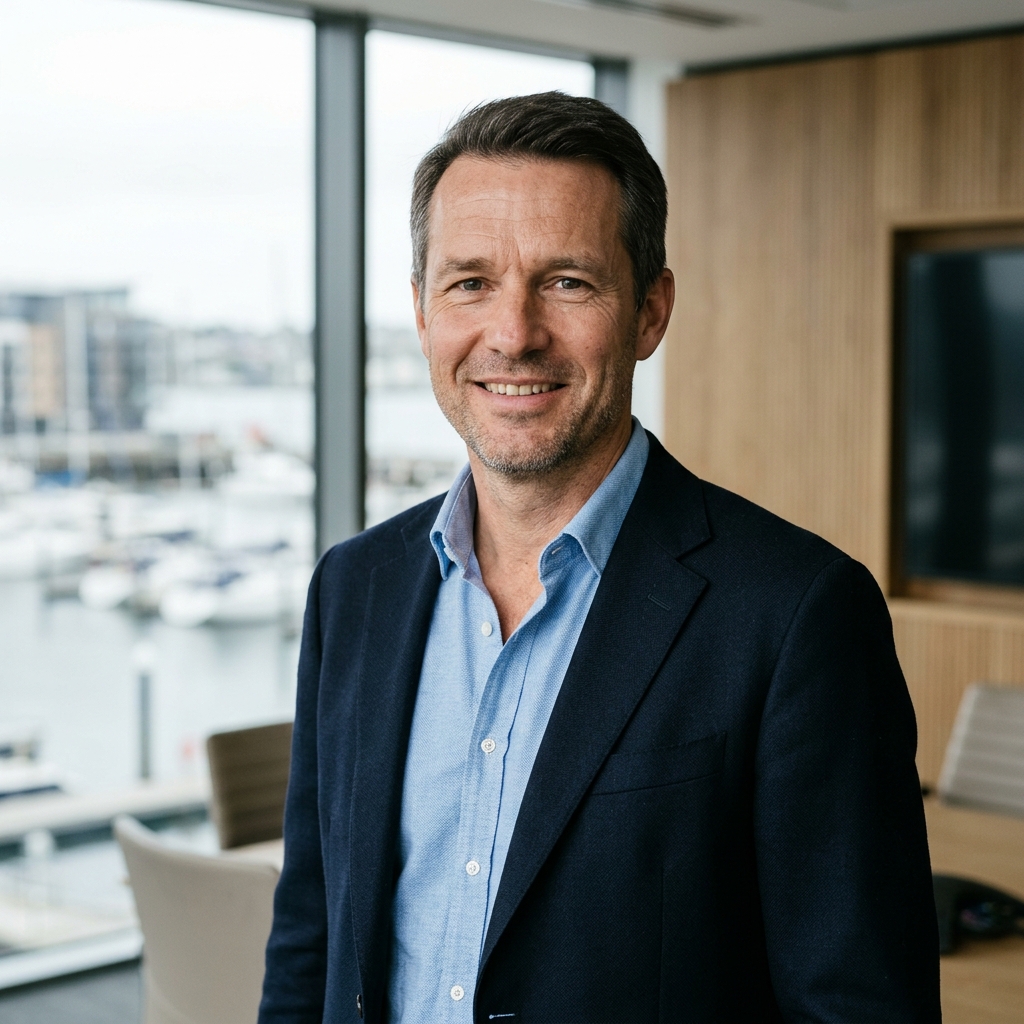
Dr. Julian Voss
Founder & Chief Executive Officer
Ex-Maersk · MIT Naval Arch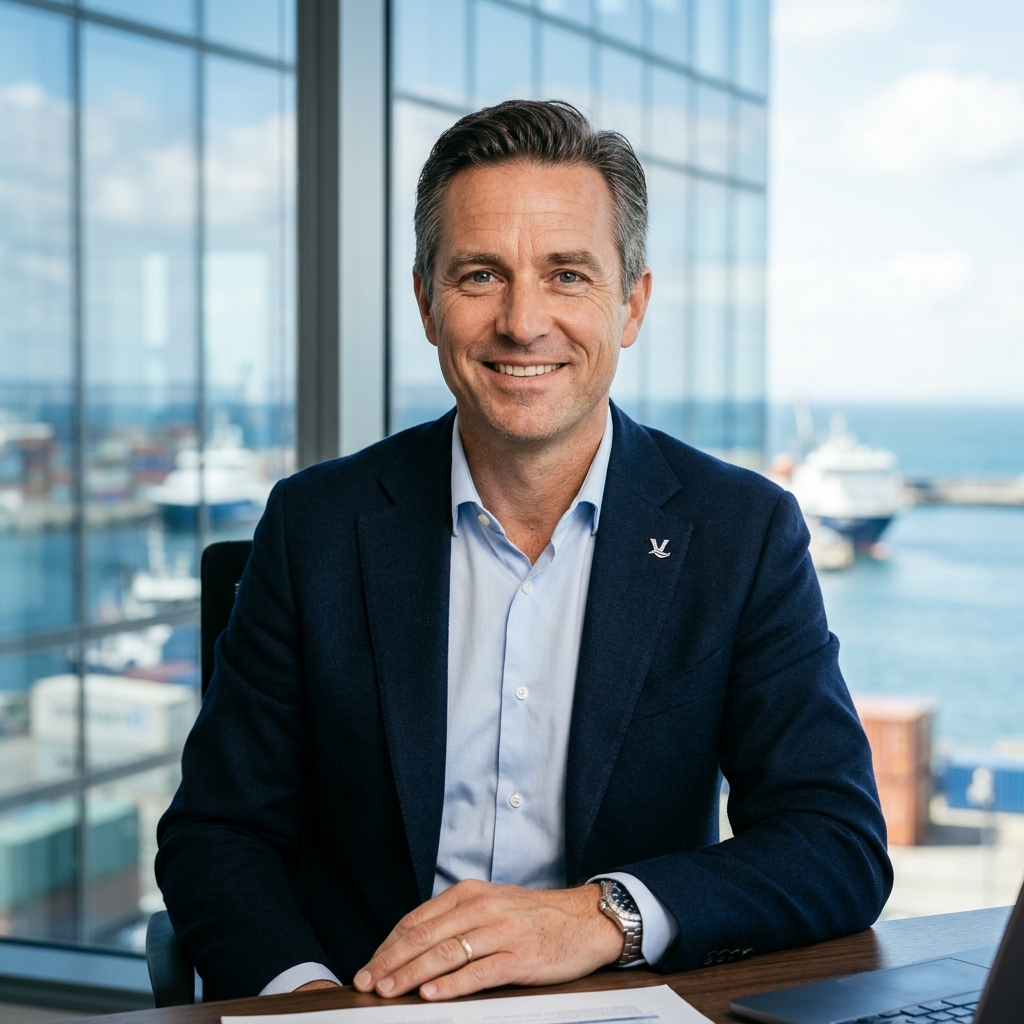
Dr. Alistair MacIntyre
Chief Commercial Officer & Head of Blue Carbon
Ex-McKinsey · PhD Economics, LSE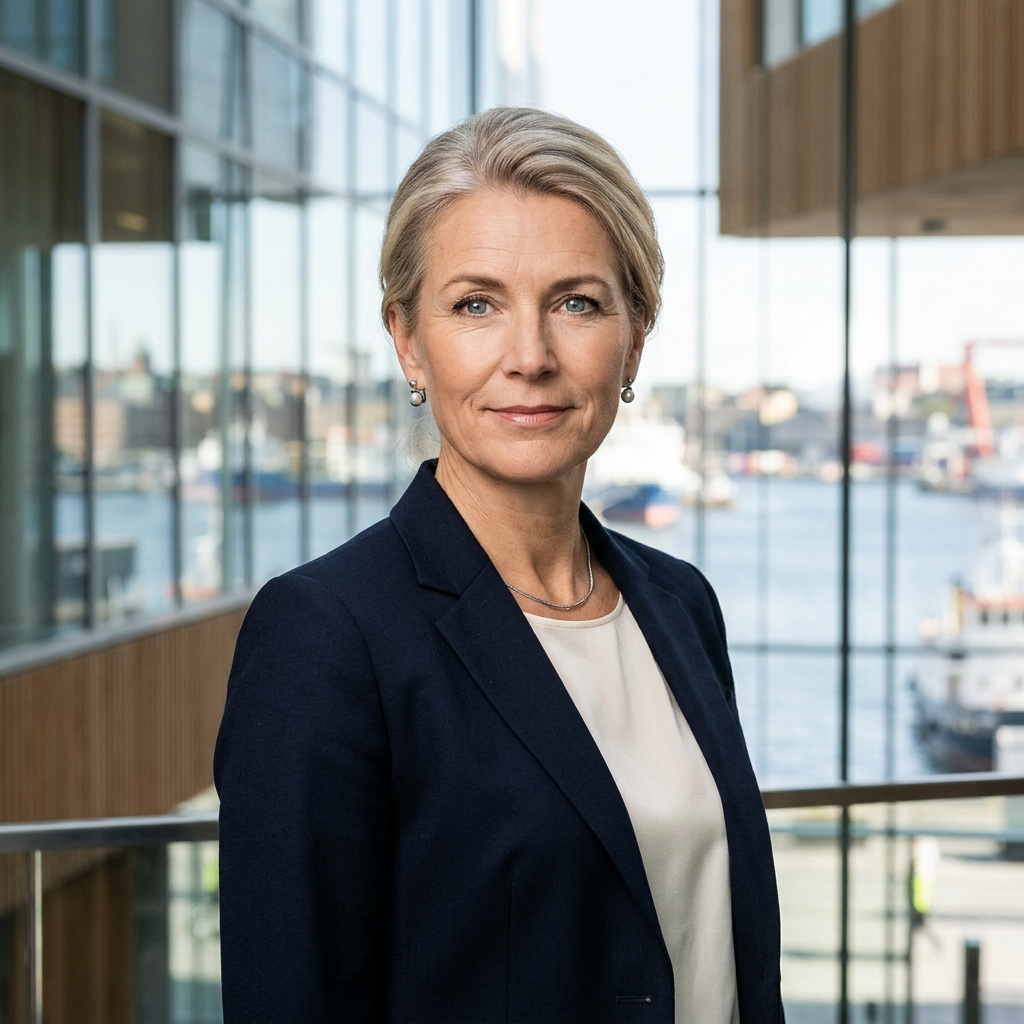
Katherine Sterling
Chief Financial Officer & VP of Capital
Ex-Goldman Sachs · Harvard MBA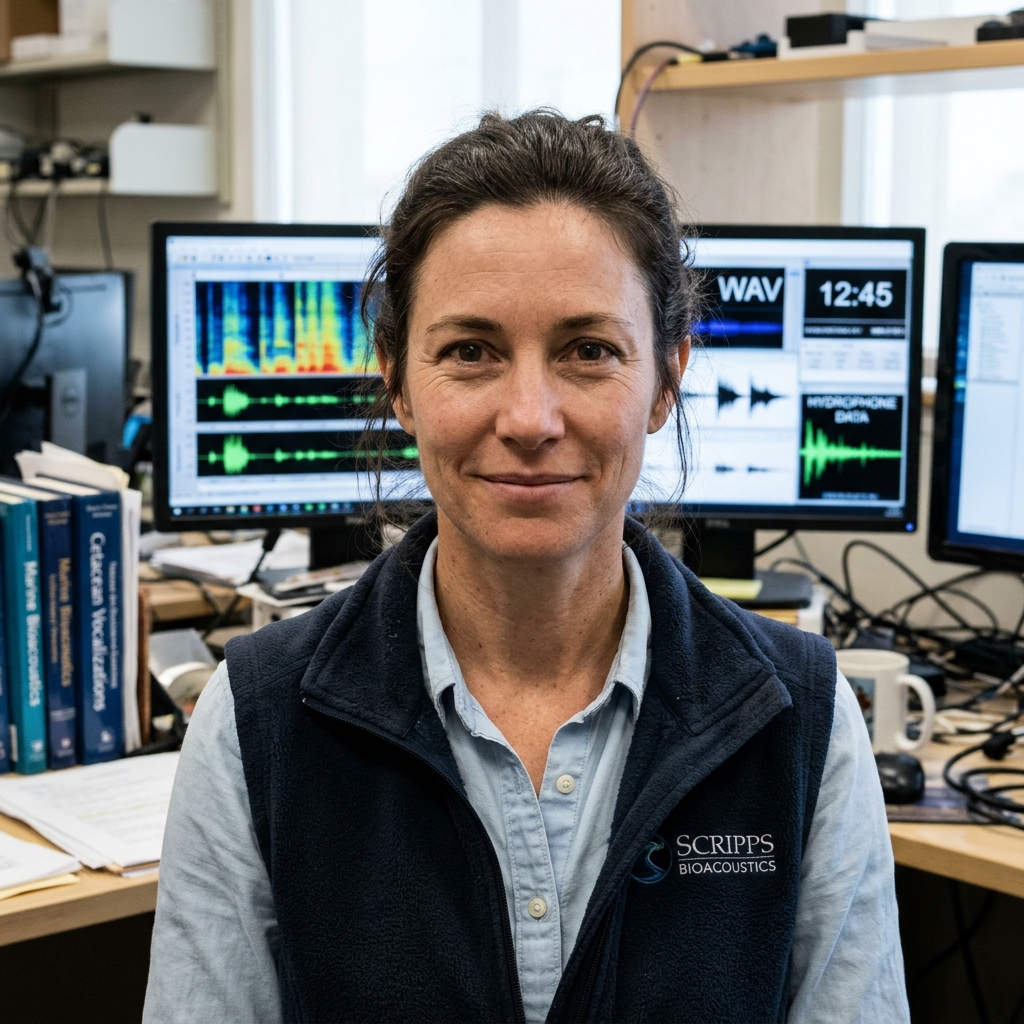
Dr. Siobhan Thorne
Chief Cetacean Scientist
Ex-Woods Hole · Scripps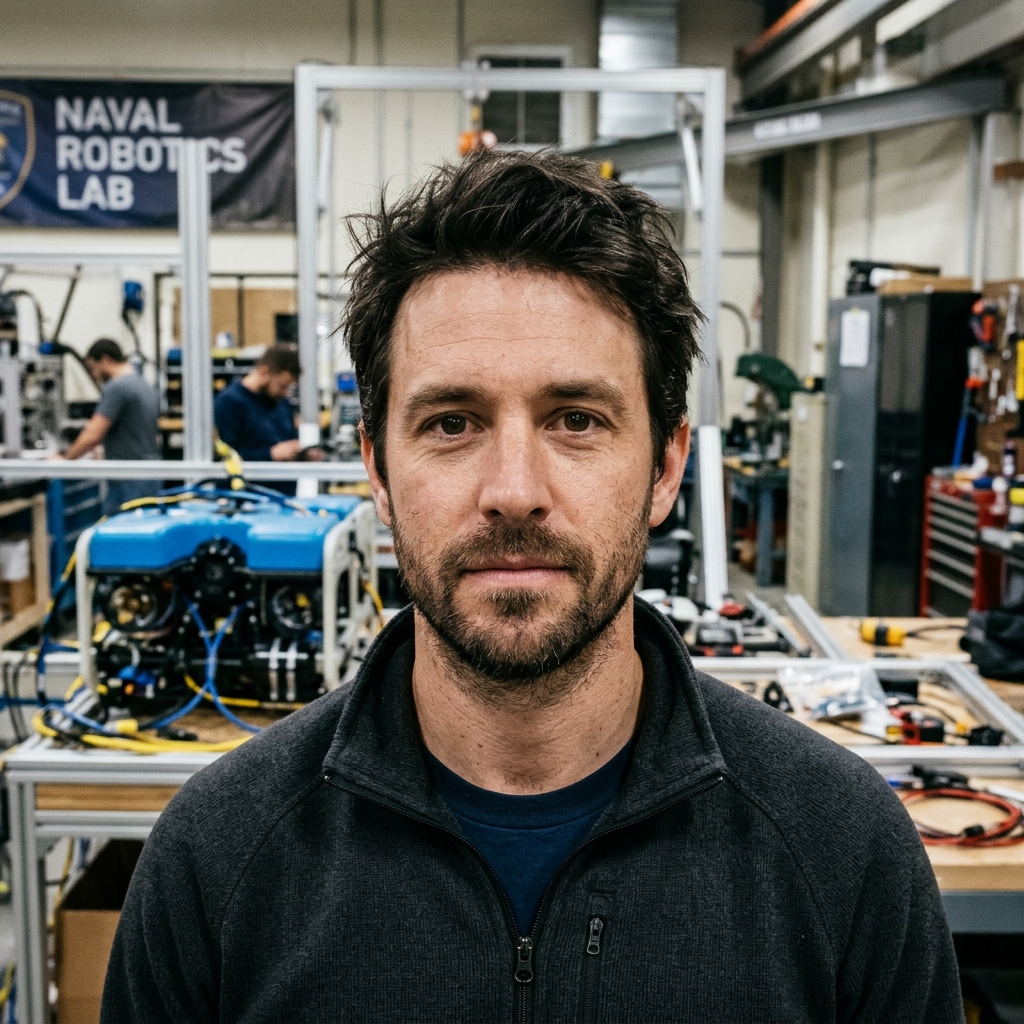
Dr. Ben Haggerty
VP of Marine Systems & Robotics
Ex-NAVSEA · Stanford Robotics
Dr. Nikolai Chen
VP of Neural Interfaces & Guidance
Ex-Neuralink / DARPA BCI · Johns Hopkins
Dr. Aris Thorne-Lowe
Head of Veterinary Physiology
Ex-IWC Advisory · Cambridge DVM
Helena Lindqvist
VP of Regulatory Affairs & Policy
Ex-IMO Secretariat · Oslo Law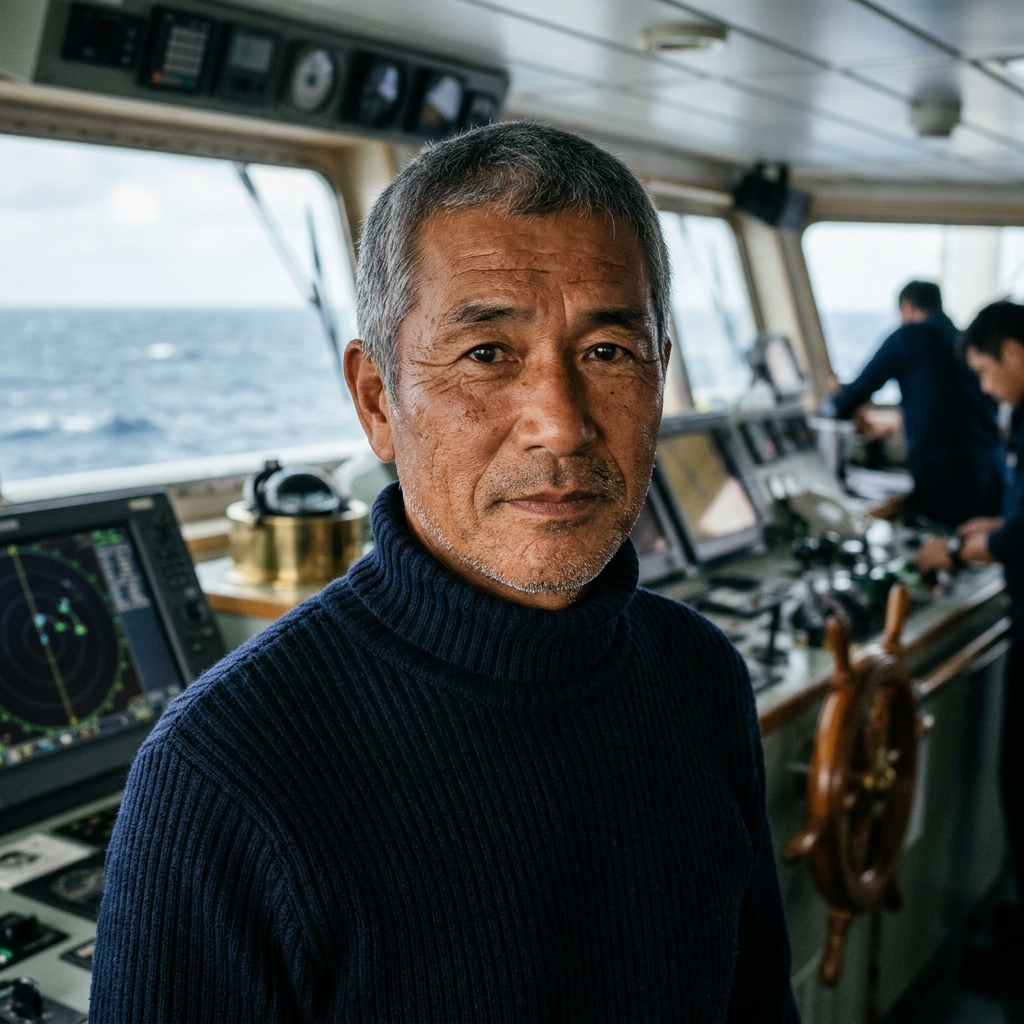
Capt. Kenji Sato
Head of Offshore Recovery & Fleet Ops
Master Mariner · Ex-NYK OffshoreApparel
Show your support!

Leviathyn Tee
Premium organic cotton featuring whale cargo transport

Leviathyn Cap
Embroidered snapback in signature teal

Leviathyn Tie
Silk tie with whale cargo transport pattern